
Where History Meets Hipster: The Evolution of Calgary’s Inglewood
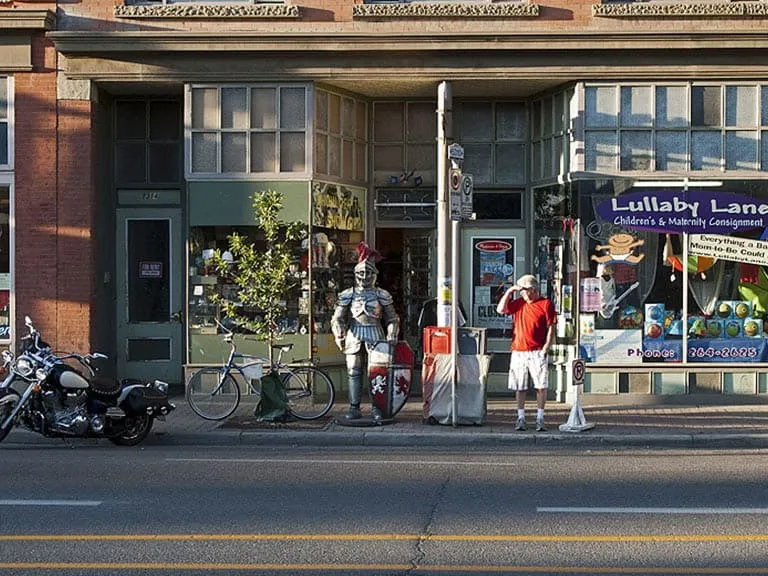
Inglewood is Calgary’s oldest neighborhood, exuding a unique harmony of historic charm and modern, “hipster” vibrancy. From the original settlement in the late 19th century to the bustling cultural hub it is today, Inglewood’s journey weaves Calgary’s early roots with the city’s flourishing creative scene. This blog dives into Inglewood’s past, explores its contemporary lifestyle, and offers a glimpse of where the neighborhood might be headed next.
The Birth of a Community
Inglewood traces its origins back to 1875, when Fort Calgary was first established at the confluence of the Bow and Elbow Rivers. Initially known as “East Calgary,” the district served as a crucial hub for trade and transportation in the area. Colonel James Walker, a prominent figure in early Calgary history, settled on the east side of the fort and was instrumental in shaping the neighborhood’s development. Over the years, wood-frame houses, local shops, and essential services grew around the fort, forming the foundations of the community we know today.
The name “Inglewood” officially took hold in the early 20th century, reflecting the area’s transformation from a practical outpost to a more residential and commercial district. Though growth was initially steady rather than explosive, Inglewood soon became a distinctive part of Calgary, prized for its proximity to the Bow River and its close-knit community spirit.
Timeline: Key Milestones
| Year | Event |
|---|---|
| 1875 | Fort Calgary is established, laying the groundwork for future neighborhoods along the Bow and Elbow Rivers. |
| 1900s | “East Calgary” begins to develop around Colonel James Walker’s property; early businesses and residential lots appear. |
| 1905-1910 | The area is renamed Inglewood, gaining its own identity as Calgary’s first established neighborhood. |
| 1960s-1970s | Period of decline as suburban development attracts many residents away from the city center; historic buildings fall into disrepair. |
| 1980s-1990s | Renewed interest in heritage preservation leads to revitalization efforts, restoring Inglewood’s historic architecture. |
| 2000s | Inglewood emerges as a trendy district for artists, musicians, and small businesses, blending old-world charm with modern culture. |
Early Architecture and Heritage Preservation
One of the most striking things about Inglewood is its rich architectural heritage. Many buildings from the late 19th and early 20th centuries still stand today, showcasing Victorian and Edwardian designs that contrast sharply with modern glass-and-steel structures found elsewhere in Calgary.
- The Deane House: Built in 1906, this historic home has undergone careful restoration to become a fine-dining restaurant, featuring period-appropriate details both inside and out.
- Colonel Walker’s Homestead: Though no longer in its original state, the property near the Bird Sanctuary is a testament to the early settler influence.
- Historic Storefronts on 9th Avenue: Rows of original brick buildings, once general stores and hardware shops, now house indie boutiques, bars, and coffee shops, marrying the past with the present.
The push to preserve Inglewood’s historical character began in earnest during the 1980s and 1990s when local residents and businesses recognized the value of maintaining its architectural individuality. As a result, official heritage designations have protected several buildings from demolition, ensuring that Inglewood’s history remains a visible part of the streetscape.
“Hipster” Renaissance: Coffee Shops, Breweries, and Boutiques
Over the past two decades, Inglewood has seen a surge in popularity among Calgary’s younger crowd, earning it a reputation as a “hipster haven.” The term “hipster” may be polarizing, but in Inglewood’s case, it generally refers to the eclectic mix of modern amenities—like craft coffee shops, artisan breweries, indie music venues, and trendy boutiques—that coexist alongside the neighborhood’s historic roots.
Coffee Culture
- Rosso Coffee Roasters: A Calgary-based roaster known for ethically sourced beans and skillfully crafted espresso drinks.
- Gravity Espresso & Wine Bar: Serving artisan coffee by day and wine by night, it doubles as a venue for intimate acoustic performances.
- Good News Coffee: Popular for its minimalist design and community-driven approach.
Craft Breweries
- Eighty-Eight Brewing Co.: Paying homage to Calgary’s Olympic year (1988), the brewery is known for retro decor and hoppy IPAs.
- Ol’ Beautiful Brewing Co.: Blends rustic charm with bold, innovative beer recipes, often hosting live music events.
Boutique Shopping
- The Apothecary: A curious mix of vintage treasures, handcrafted goods, and wellness products.
- Moonstone Creations: Featuring Indigenous artisans and crafts, offering everything from jewelry to artwork.
- Silk Road Spice Merchant: An aromatic adventure stocked with global spices, teas, and custom blends.
These local establishments play a vital role in fostering Inglewood’s creative and entrepreneurial spirit. You’ll often find live music spilling onto the sidewalks on weekends, while artisan markets and pop-up shops add to the feeling that Inglewood is perpetually buzzing with activity.
Cultural Events and Community Spirit
Despite its youthful energy, Inglewood hasn’t lost its small-town feel. Community spirit remains strong, thanks in large part to the numerous festivals, markets, and gatherings that dot the calendar year-round. Events like the Inglewood Sunfest, Calgary Fringe Festival (with stages scattered throughout Inglewood), and the monthly Inglewood Night Market bring together locals and visitors in a shared celebration of arts, culture, and community.
- Inglewood Sunfest: Street performers, food trucks, and family-friendly activities take over the main avenue every summer, showcasing local talent.
- Night Market (May–September): A rotation of over 100 vendors, live music, and food stalls make these evenings a favorite for all ages.
- Calgary Fringe Festival (August): Experimental theater, comedy, and performance art pop up in cafes, bars, and temporary stages, reflecting the neighborhood’s eclectic vibe.
These events underscore Inglewood’s legacy as an inclusive neighborhood—one that embraces the past while inviting new cultural movements. Whether it’s a historical walking tour in the morning or a modern art showcase at night, there’s always something interesting happening in Inglewood.
The Intersection of Environment and Urban Living
Another facet of Inglewood’s appeal is its connection to nature. The Inglewood Bird Sanctuary offers a serene escape just minutes from the bustling main street, while the Bow River Pathways cater to walkers, joggers, and cyclists seeking scenic routes. Even with all the urban development, these green spaces serve as a reminder that Inglewood’s identity is intrinsically tied to the land and river systems that made it possible in the first place.
Programs like IndigiTRAILS at the Bird Sanctuary introduce visitors to Indigenous teachings and local wildlife through interactive apps and augmented reality, highlighting how community engagement and education can evolve while preserving traditional knowledge. Inglewood residents frequently champion environmental initiatives and sustainability, from zero-waste grocery stores to local garden projects, showing that respect for nature is woven into the neighborhood’s cultural fabric.
Challenges and Future Outlook
Like any growing area, Inglewood faces challenges. Rising property values and gentrification concerns have prompted discussions about how to maintain affordability and diversity. Ongoing infrastructure projects, like the Green Line LRT, promise improved connectivity but also raise questions about traffic, parking, and preserving neighborhood character.
Still, local groups, community associations, and small businesses are actively involved in shaping Inglewood’s future. Their vision focuses on sustainable development, cultural preservation, and inclusive growth—ensuring that this historic neighborhood remains both a window into Calgary’s past and an exciting frontier for its future.
“Inglewood is a living tapestry of Calgary’s heritage and its creative ambitions. With each new coffee shop, artisan market, and music venue, the neighborhood adds another thread to its rich, evolving story.”
Visit Inglewood and Experience the Blend
If you’re planning a trip to Calgary, reserve at least one day to explore Inglewood. Start your morning with a fresh cup of coffee on 9th Avenue, browse the local boutiques, and dive into the area’s history with a guided tour of its oldest landmarks. Spend the afternoon strolling along the Bow River pathways or birdwatching in the sanctuary. Finally, cap off the evening with craft beers, live music, or a relaxed patio dinner as you soak in the district’s vibrant nightlife.
Inglewood’s evolution from a frontier settlement to a contemporary hub is a testament to Calgary’s spirit of reinvention. Where else can you find Victorian-era architecture next to modern breweries, or historic homes turned into chic eateries, all woven together by a community dedicated to respecting the past while enthusiastically embracing the future? Whether you’re a history buff, a foodie, a nature lover, or an avid shopper, Inglewood offers a unique glimpse into Calgary’s multifaceted identity—one that continues to captivate locals and visitors alike.